
Why it is important to fund basic research of women’s health, and the biotech companies that are betting on it.
Categories
𝐖𝐨𝐦𝐞𝐧’𝐬 𝐇𝐢𝐬𝐭𝐨𝐫𝐲 𝐌𝐨𝐧𝐭𝐡
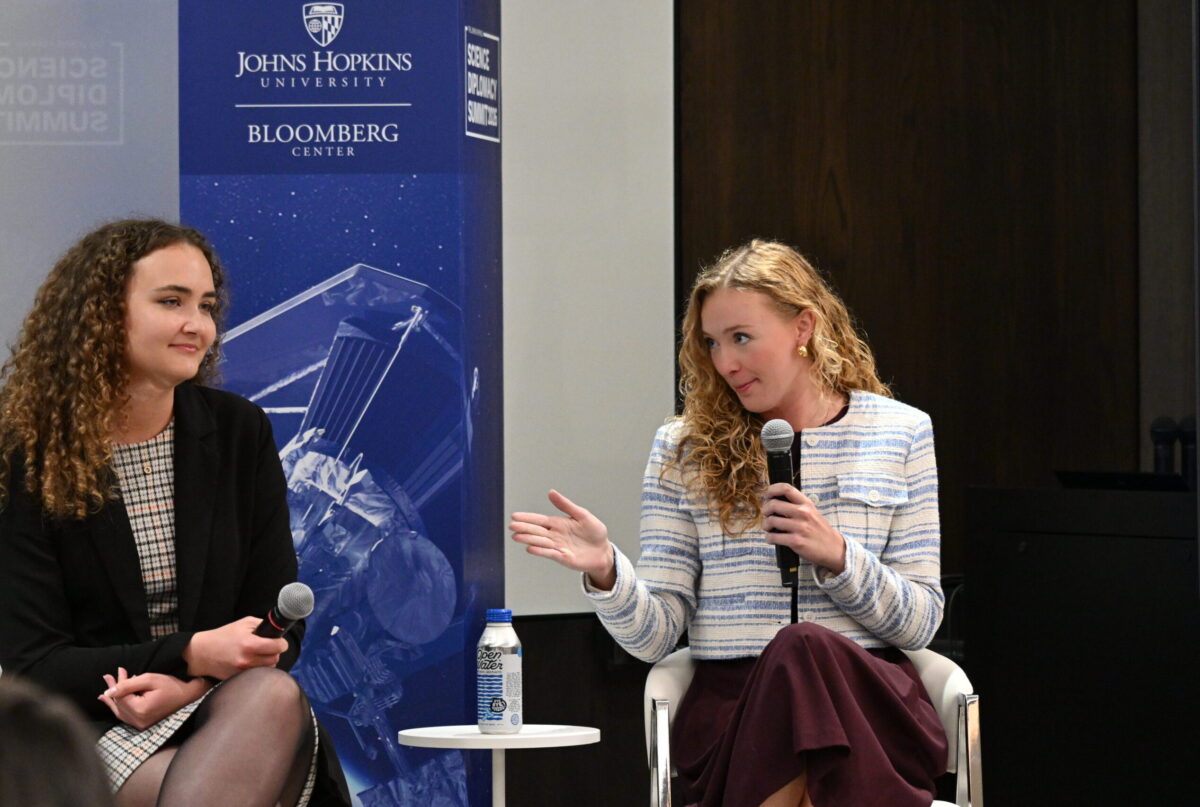
Why it is important to fund basic research of women’s health, and the biotech companies that are betting on it.

Our Science Correspondent @chloe.the.scientist visited Iambic Therapeutics in San Diego and learned about how they are using AI in drug discovery.
See the full interview: https://www.biotechtv.com/post/iambic-therapeutics-april-7-2026

PhD researcher, competitive curler, and first author of recent lncRNA paper published in science signaling sharing how she followed her research passion. 🤩 an inspiration! 👩🏻🔬🙌

You saw the headline – Revolution Medicines’ therapy doubled survival in pancreatic cancer. Here’s the science behind it.
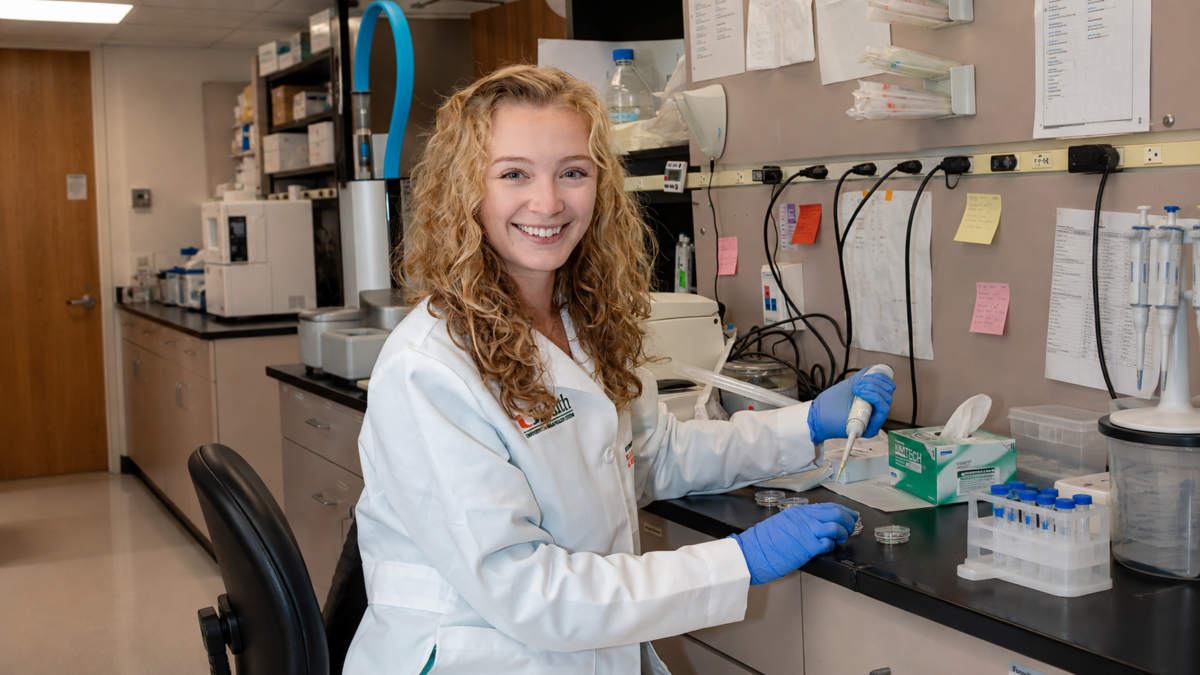
Next Saturday (April 25), BiotechTV’s @chloe.the.scientist will be at the @whartonschool Biotech Conference in Philadelphia. Here’s a preview with @pennbiotechgroup Co-President @itsalexml
Conference info link: pennbiotechgroup.org/conference-2026

There has been a lot of news about pancreatic cancer these last few weeks. @chloe.the.scientist shares her take on a six year update from an mRNA vaccine clinical trial that was presented at AACR.
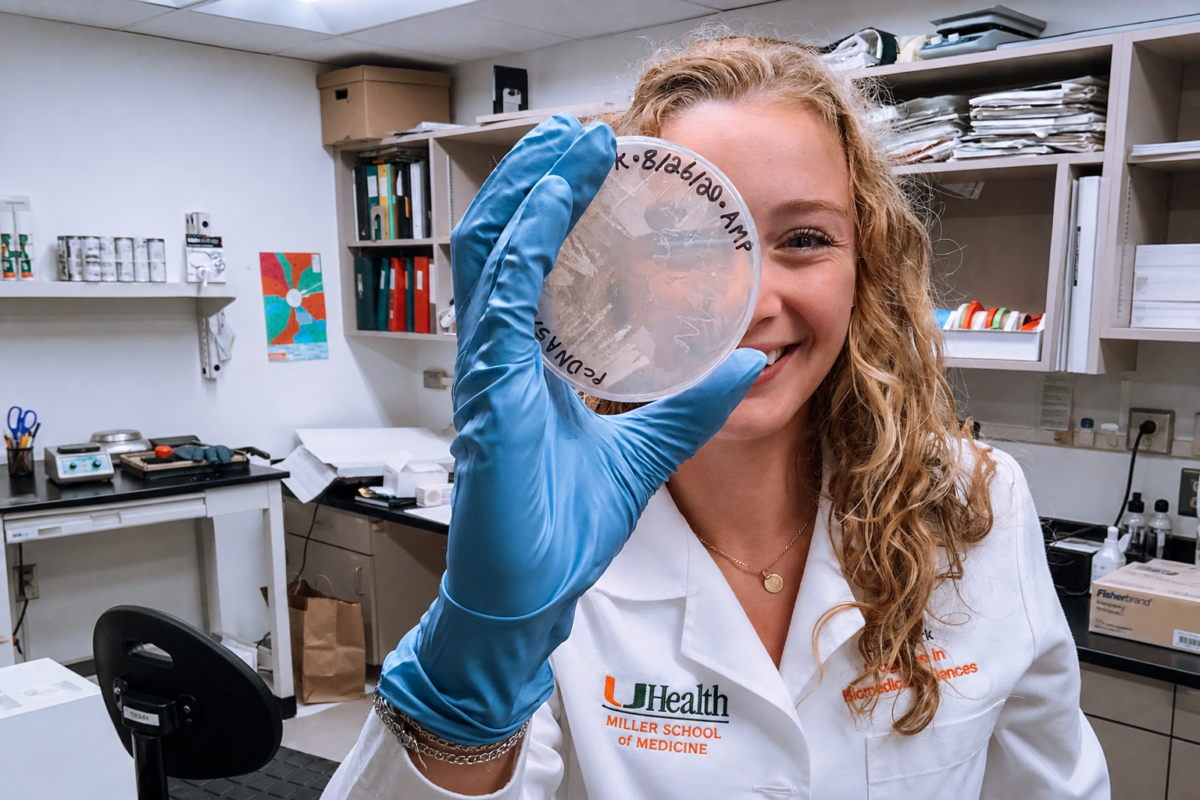
Researchers in Sweden used machine learning on the country’s healthcare registry data to try to predict who is most at risk for a future melanoma diagnosis. The results were surprising.
Link to research: https://medicaljournalssweden.se/actadv/article/download/44610/53503?inline=1
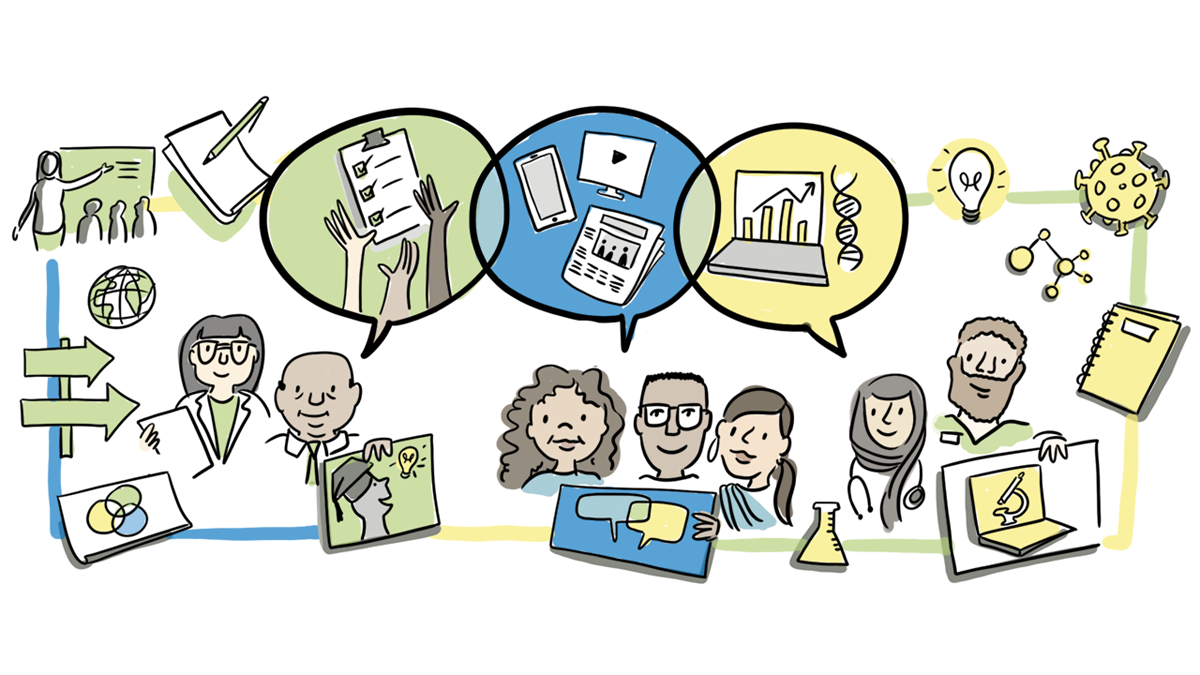
Science impacts nearly every aspect of our lives.
The medications we take. The food we eat. The technology we rely on daily. The policies that shape public health and environmental protections. Even the weather app on your phone exists because of decades of scientific advancement.
And yet, despite how deeply science is woven into modern society, public trust in science feels increasingly fragile.
Over the past few years especially, conversations around vaccines, climate change, artificial intelligence, public health, and even basic biology have become incredibly polarized. Scientists are often viewed not as educators or problem-solvers, but as elites, institutions, or even enemies.
As someone who has spent years working in STEM spaces, I find this both fascinating and concerning.
Because most scientists I know are not plotting world domination in secret underground labs. They’re tired graduate students reheating coffee for the third time that day. They’re researchers troubleshooting experiments that fail 90% of the time. They’re people who genuinely care about improving human health, protecting ecosystems, developing technology, or understanding the world a little better.
So where does this disconnect come from?
Why do so many people distrust science?
And more importantly: how can scientists rebuild that trust?
One of the biggest misconceptions scientists make is assuming that distrust comes from a lack of intelligence or education.
But distrust is often emotional before it is factual.
People don’t simply reject information because they “don’t understand” it. Sometimes they reject it because they feel unheard, excluded, dismissed, or overwhelmed.
Science communication has historically had a hierarchy problem. Experts speak. The public listens. Questions are sometimes interpreted as ignorance rather than curiosity. And when people feel talked down to, they stop engaging entirely.
If someone already feels disconnected from scientific institutions, throwing more statistics at them usually will not help.
In fact, it can sometimes make things worse.
Because trust is not built through data alone. It’s built through relationships.
Ironically, one of the reasons science can feel inaccessible is because scientists are often expected to sound emotionally detached.
We’re trained to write objectively. To avoid bias. To communicate carefully and precisely. And while these are incredibly important skills in research, they can accidentally create distance when communicating with the public.
People connect with people, not institutions.
When scientists only communicate through technical language, academic journals, or formal interviews, they become abstract figures rather than relatable humans.
But the reality is that scientists are people with passions, anxieties, personalities, and stories.
We fail experiments.
We experience imposter syndrome.
We get excited about discoveries.
We care deeply about our work.
The public rarely gets to see that side of science.
And honestly, I think they should.
Some of the best science communicators today are successful not because they simplify information, but because they humanize it. They make science feel approachable rather than intimidating.
That matters.
Another reason public trust has become so complicated is because information itself has changed.
We no longer live in a world where information is filtered exclusively through textbooks, universities, or traditional media. Social media has transformed communication entirely.
Now, anyone can present themselves as an expert online.
And algorithms reward emotional content far more than nuanced explanations.
A 15-second video confidently spreading misinformation will almost always outperform a careful scientific explanation that includes uncertainty and context. Not because science is weaker, but because certainty is emotionally persuasive.
Science is inherently cautious.
Researchers are trained to say:
But online, uncertainty is often interpreted as weakness rather than honesty.
Meanwhile, misinformation creators tend to communicate with absolute confidence.
That creates a dangerous imbalance.
I think scientists sometimes frame this issue too narrowly.
Yes, misinformation is a major problem. But simply blaming misinformation ignores a larger issue: many scientific institutions have not adapted well to modern communication.
Scientific language is often inaccessible to non-experts. Academic publishing is hidden behind paywalls. Public outreach is undervalued in many research spaces. And historically, science communication has not always prioritized empathy.
That last part is especially important.
Facts matter immensely. But empathy determines whether people are willing to listen to those facts in the first place.
If someone feels embarrassed, dismissed, or attacked during a conversation about science, they are unlikely to suddenly change their mind because of one additional statistic.
Human beings are emotional creatures. Communication has to acknowledge that reality.
I don’t think rebuilding public trust in science will happen through one viral infographic or one perfectly worded debate.
I think it starts with smaller, quieter shifts.
Scientists need to become better listeners.
Not every skeptical person is anti-science. Sometimes people are scared. Sometimes they’re overwhelmed by conflicting information. Sometimes they’ve had negative experiences with healthcare systems, educational institutions, or governments that shape how they interpret scientific messaging.
Listening does not mean abandoning evidence.
It means recognizing that trust cannot be forced.
Scientists also need to meet people where they are.
That could mean:
Science is not powerful because scientists are always correct.
Science is powerful because it is self-correcting.
And I think the public deserves to see that process more clearly.
One thing I wish existed more in science spaces is room for curiosity without judgment.
People should feel comfortable asking questions.
Even basic questions.
Even skeptical questions.
Curiosity is not the enemy of science. Curiosity is the foundation of science.
Unfortunately, online discourse often turns scientific conversations into battles where the goal is to “win” rather than understand.
But science was never supposed to be about humiliation or superiority. At its core, science is simply a method for exploring the unknown.
That spirit of curiosity is something we need to protect.
Public trust in science will not be rebuilt overnight.
And honestly, it probably shouldn’t be.
Trust that matters is earned slowly through consistency, transparency, accountability, and human connection.
I think scientists sometimes underestimate how meaningful small interactions can be. A respectful conversation. A clear explanation. A moment of patience. A willingness to say “I don’t know.”
Those moments matter more than we realize.
Because at the end of the day, science is not just about data.
It’s about people.
And if we want the public to trust science more, then science needs to feel more human.
One of the most fascinating things about the human body is that it is constantly protecting us without us even realizing it.
Every second, your immune system is scanning for threats.
Viruses.
Bacteria.
Damaged cells.
Potential infections.
Even abnormal cells that could eventually become cancerous.
Most of the time, this surveillance system works remarkably well. In fact, many scientists believe cancerous cells likely emerge in the body more often than we realize, but our immune system identifies and destroys them before they can become dangerous.
Which makes cancer particularly unsettling from a biological perspective.
Because cancer is not simply a foreign invader entering the body.
Cancer is made from our own cells.
And somehow, despite the immune system being incredibly sophisticated, cancer cells can learn how to hide, adapt, manipulate, and survive.
Honestly, it’s one of the most biologically complex “cat-and-mouse” games happening inside the human body.
To understand how cancer evades the immune system, it helps to first understand how immune surveillance normally works.
Immune cells are constantly communicating with other cells in the body through molecular signals. Healthy cells display proteins on their surfaces that essentially act like identification markers, allowing immune cells to recognize them as part of the body.
When cells become infected or damaged, those surface signals can change.
Immune cells, particularly T cells and natural killer (NK) cells, are trained to recognize these abnormalities. If something appears dangerous or unusual, the immune system may trigger an attack.
It’s an incredibly coordinated system involving:
And most of it happens completely outside our awareness.
The immune system is not just reacting to illness after it happens. It is constantly making microscopic decisions about what belongs in the body and what does not.
Cancer starts when cells accumulate genetic mutations that disrupt normal growth regulation.
Normally, cells follow strict instructions:
Cancer cells ignore those instructions.
Mutations can activate oncogenes (genes that promote growth) or disable tumor suppressor genes (genes that normally prevent uncontrolled division). Over time, this allows cells to multiply uncontrollably.
But rapid growth alone is not enough to make cancer successful.
Cancer cells also need to survive immune detection.
And that’s where things become particularly fascinating.
One of the reasons cancer is so difficult to treat is because cancer cells evolve.
Tumors are not static. They constantly change under selective pressure from the immune system, therapies, and their surrounding environment.
In many ways, cancer behaves like a highly adaptable ecosystem.
Cells that survive immune attacks continue dividing. Cells that cannot evade detection are eliminated. Over time, this creates populations of cancer cells that become increasingly skilled at avoiding immune responses.
Essentially, evolution is happening inside the body at a cellular level.
Which is both scientifically incredible and deeply terrifying.
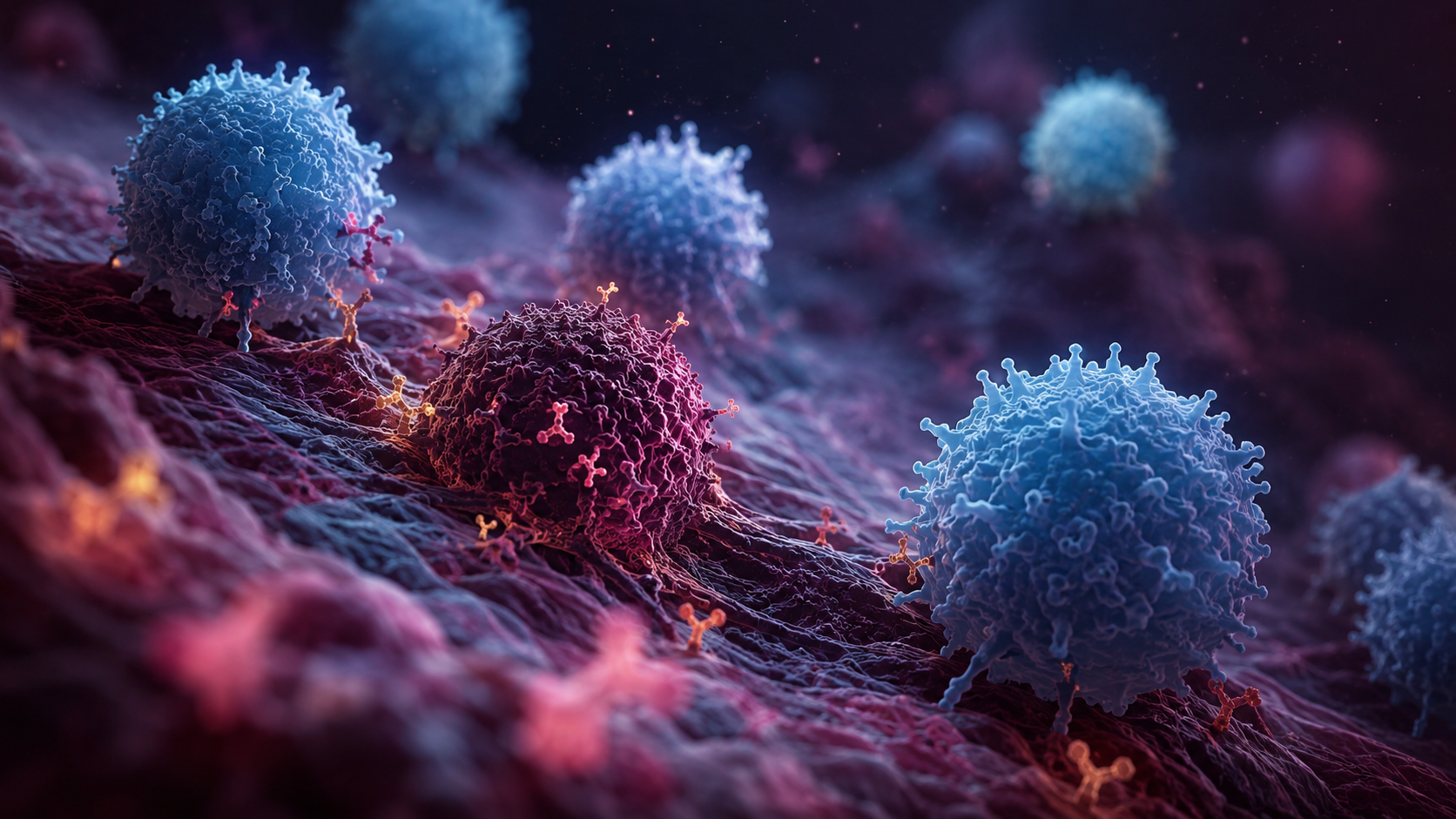
One strategy cancer cells use is reducing their visibility.
Immune cells often identify dangerous cells through molecules called MHC class I proteins displayed on the cell surface. These molecules help present fragments of internal proteins to T cells, allowing immune surveillance to occur.
Some cancer cells decrease the expression of these molecules.
In simple terms, they become harder for immune cells to recognize.
It’s almost like removing identifying information.
Without strong recognition signals, immune cells may fail to detect the abnormal cell entirely.
And because cancer originates from the body’s own tissues, immune cells already face a difficult challenge: distinguishing “self” from “danger.”
Cancer exploits that challenge.
This is one of the most remarkable aspects of cancer biology.
The immune system includes built-in “checkpoint” proteins designed to prevent excessive immune reactions. These checkpoints are essential because an overactive immune system can damage healthy tissues.
Normally, these molecular brakes help maintain balance.
But cancer cells can manipulate these systems for protection.
Some tumors produce proteins like PD-L1, which bind to checkpoint receptors on T cells and essentially tell them:
“Do not attack.”
Even if the T cell recognizes the cancer as abnormal, the checkpoint signal suppresses immune activity.
The cancer cell effectively convinces the immune system to stand down.
This discovery completely transformed cancer research and eventually led to immunotherapy treatments called checkpoint inhibitors, which help block these deceptive signals and reactivate immune responses.
And honestly, I think this is one of the most extraordinary examples of modern medicine understanding biology deeply enough to intervene strategically.
Another reason cancer can survive is because tumors influence the environment around them.
Tumors are not just clusters of rapidly dividing cells. They interact constantly with blood vessels, immune cells, signaling molecules, connective tissues, and surrounding structures.
This is called the tumor microenvironment.
Some tumors release chemicals that suppress immune activity locally. Others recruit regulatory immune cells that reduce inflammation and prevent aggressive immune responses nearby.
In some cases, tumors can even create physically difficult environments for immune cells to enter.
So cancer is not merely hiding.
It is actively reshaping its surroundings to improve survival.
The biology becomes incredibly complex very quickly.
For decades, cancer treatment primarily relied on:
These treatments can be highly effective, but they often target cancer somewhat indirectly or damage healthy cells alongside cancerous ones.
Immunotherapy introduced a different approach:
help the immune system fight back more effectively.
Checkpoint inhibitors, CAR-T cell therapy, and other immunotherapies aim to enhance immune recognition or restore immune function against cancer cells.
And while immunotherapy does not work for every patient or every cancer type, it has fundamentally changed oncology.
Some patients with advanced cancers that were once considered nearly untreatable have experienced remarkable responses.
That does not mean cancer has been “solved.” Far from it.
But it demonstrates how understanding cellular communication at the molecular level can completely reshape medicine.
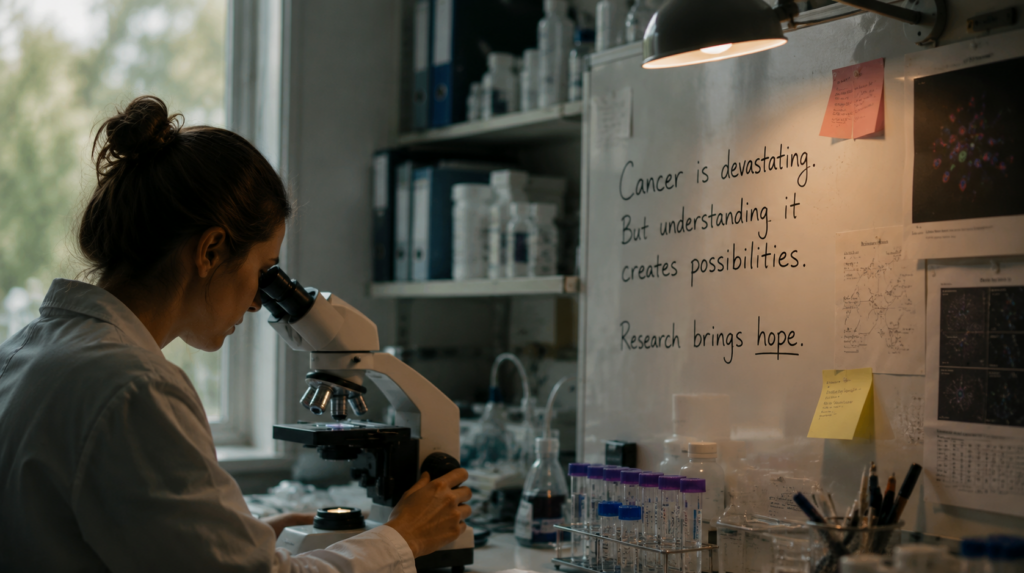
I think one of the strange emotional realities of studying cancer biology is holding two thoughts simultaneously:
Cancer is devastating.
And cancer is biologically astonishing.
The ability of cells to evolve survival mechanisms, manipulate signaling pathways, alter immune responses, and adapt under pressure reveals just how complex living systems truly are.
Of course, understanding that complexity does not make cancer less painful for patients or families.
But it does highlight why research matters so deeply.
Every discovery about immune checkpoints, signaling pathways, mutations, or tumor environments creates new opportunities for earlier detection and better therapies.
Science moves slowly sometimes. Frustratingly slowly.
But progress in cancer biology over the past few decades has been extraordinary.
One thing I think is important to remember is that cancer and the immune system are not separate forces existing independently.
They are constantly interacting.
The immune system applies pressure.
Cancer adapts.
Researchers develop therapies.
Tumors evolve further.
It is an ongoing biological arms race happening at microscopic scales inside the human body.
And while that reality can feel unsettling, I also think it reveals something incredible about biology itself:
Cells are not passive.
The human body is dynamic, responsive, adaptive, and constantly communicating in ways we are still trying to fully understand.
Which means that every new breakthrough in immunology or cancer research is not just about medicine.
It’s about learning how life itself operates at its most fundamental level.

Most people think of jet lag as a temporary inconvenience. You land in a new country, your sleep schedule is completely destroyed, you are suddenly hungry at 3am, and your body seems deeply confused about what time it is supposed to be.
But jet lag is actually much more biologically interesting than simply “feeling tired after a flight.”
What you are experiencing is a mismatch between your internal biological clock and the external environment around you. And that clock does not just exist in your brain — it exists throughout your entire body, down to individual cells.
The deeper you look into circadian biology, the more incredible it becomes.
Humans operate on roughly 24-hour biological cycles called circadian rhythms. These rhythms regulate an enormous number of physiological processes, including:
Even your cells have preferred “times” for certain activities.
For a long time, scientists believed circadian rhythms were controlled almost entirely by one master clock in the brain called the suprachiasmatic nucleus (SCN), located in the hypothalamus. The SCN acts as the body’s central timekeeper and responds primarily to light signals entering through the eyes.
Light in the morning helps signal:
“It is daytime. Stay awake.”
Darkness helps trigger:
“It is nighttime. Prepare for sleep.”
Simple enough in theory.
Except the story gets much more complicated.
One of the most fascinating discoveries in circadian biology is that individual cells throughout the body also contain their own molecular clocks.
Your liver cells have circadian rhythms. Your skin cells do. Immune cells do. Muscle cells do.
Even isolated cells grown in laboratory dishes can maintain rhythmic cycles for surprisingly long periods of time.
At a cellular level, circadian rhythms are controlled through feedback loops involving specific “clock genes” and proteins. Genes such as CLOCK, BMAL1, PER, and CRY interact in tightly regulated cycles that rise and fall over approximately 24 hours.
Very simplified version:
This repeating molecular loop acts almost like an internal biological metronome.
And importantly, different tissues can drift out of sync with each other.
Which brings us back to jet lag.
When you rapidly cross time zones, your external environment changes faster than your internal clocks can adapt.
Your brain clock may start adjusting to local daylight fairly quickly, but peripheral clocks throughout the body often shift more slowly.
So while the clock in your brain might be trying to adapt to Paris time, parts of your metabolism may still be operating on New York time.
That internal mismatch contributes to many classic jet lag symptoms:
Your body is essentially running conflicting schedules simultaneously.
And because different tissues reset at different speeds, recovery is not instant.
Light is one of the strongest external regulators of circadian rhythms, which is why exposure timing matters so much when traveling.
Specialized cells in the retina send light information directly to the SCN, helping synchronize the body’s master clock to the environment.
This is also why staring at bright screens late at night can interfere with sleep. Artificial light — especially blue-enriched light — can delay melatonin release and signal to the brain that it is still daytime.
At a biological level, your brain is responding exactly as it evolved to.
Unfortunately, your circadian system did not evolve expecting overnight international flights, 24-hour work schedules, or glowing phones inches from your face at midnight.
One of the reasons circadian biology has become such an active research field is because disruptions to these rhythms affect far more than sleep quality alone.
Researchers have linked circadian disruption to increased risks of:
Shift workers, for example, often experience chronic circadian disruption because their behavioral schedules repeatedly conflict with natural light-dark cycles.
This does not mean occasional jet lag is dangerous. But it does highlight how deeply biological timing is woven into human physiology.
Your body is not simply reacting to time psychologically. It is responding at a molecular level.
I think one of the most interesting parts of circadian biology is realizing how dynamic and coordinated the human body really is.
We often think of the body as operating continuously and uniformly, but biology is deeply rhythmic. Cells communicate through timing. Hormones fluctuate predictably. Entire physiological systems anticipate environmental change before it happens.
Even while you are asleep, thousands of molecular processes are operating on carefully regulated schedules.
And when those schedules become disrupted — whether through travel, stress, artificial light exposure, or irregular sleep patterns — your body notices.
Jet lag is frustrating, yes. But it is also a reminder that human biology is not separate from time. We are constantly synchronized with the world around us in ways we rarely think about until that synchronization breaks.