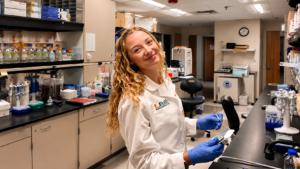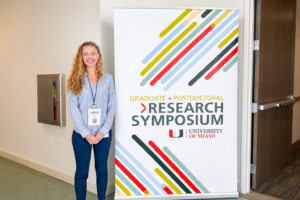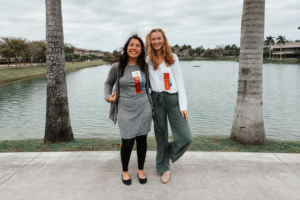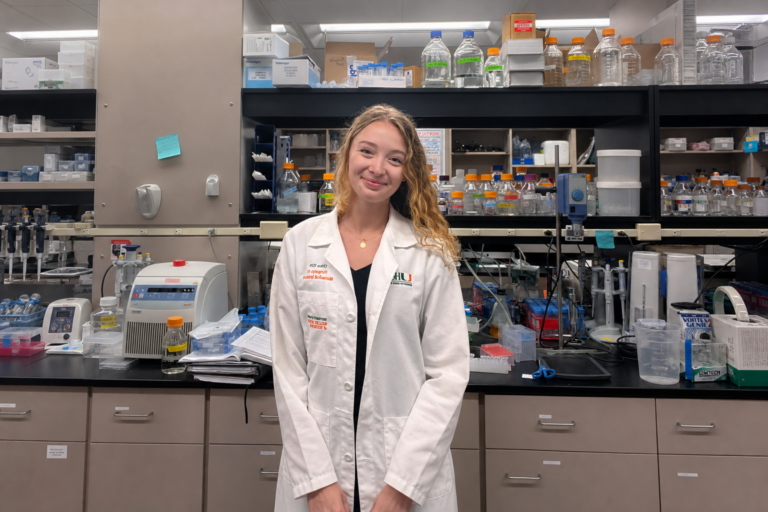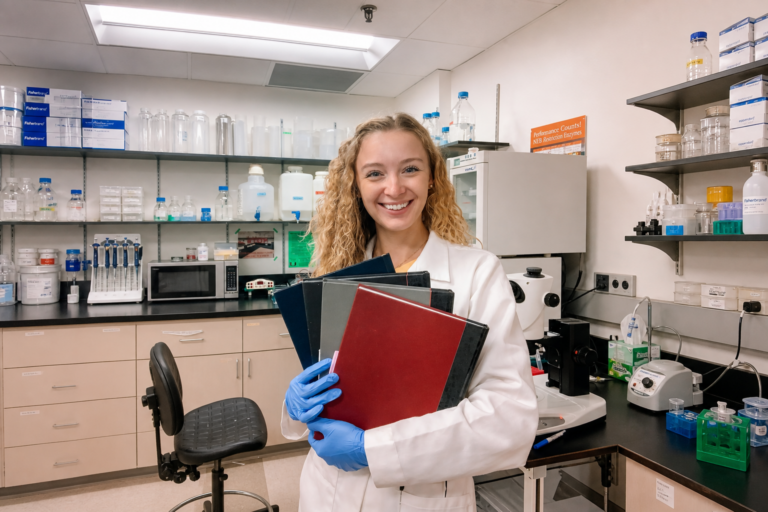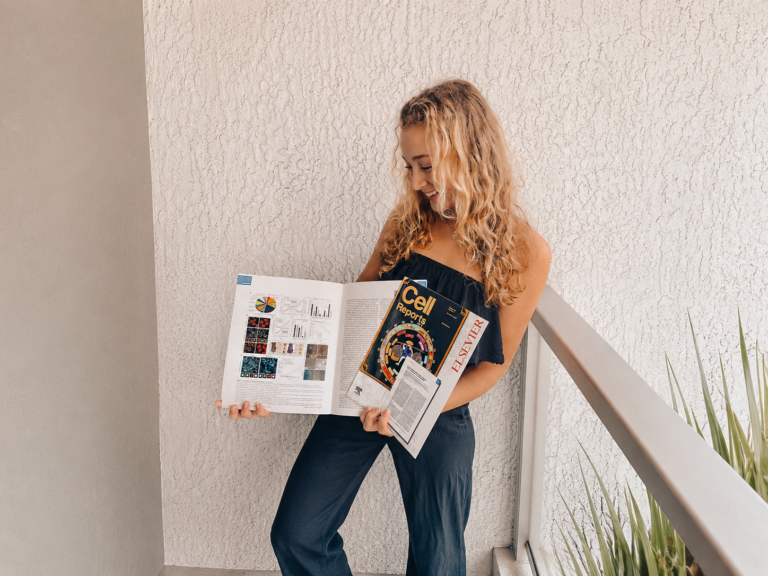
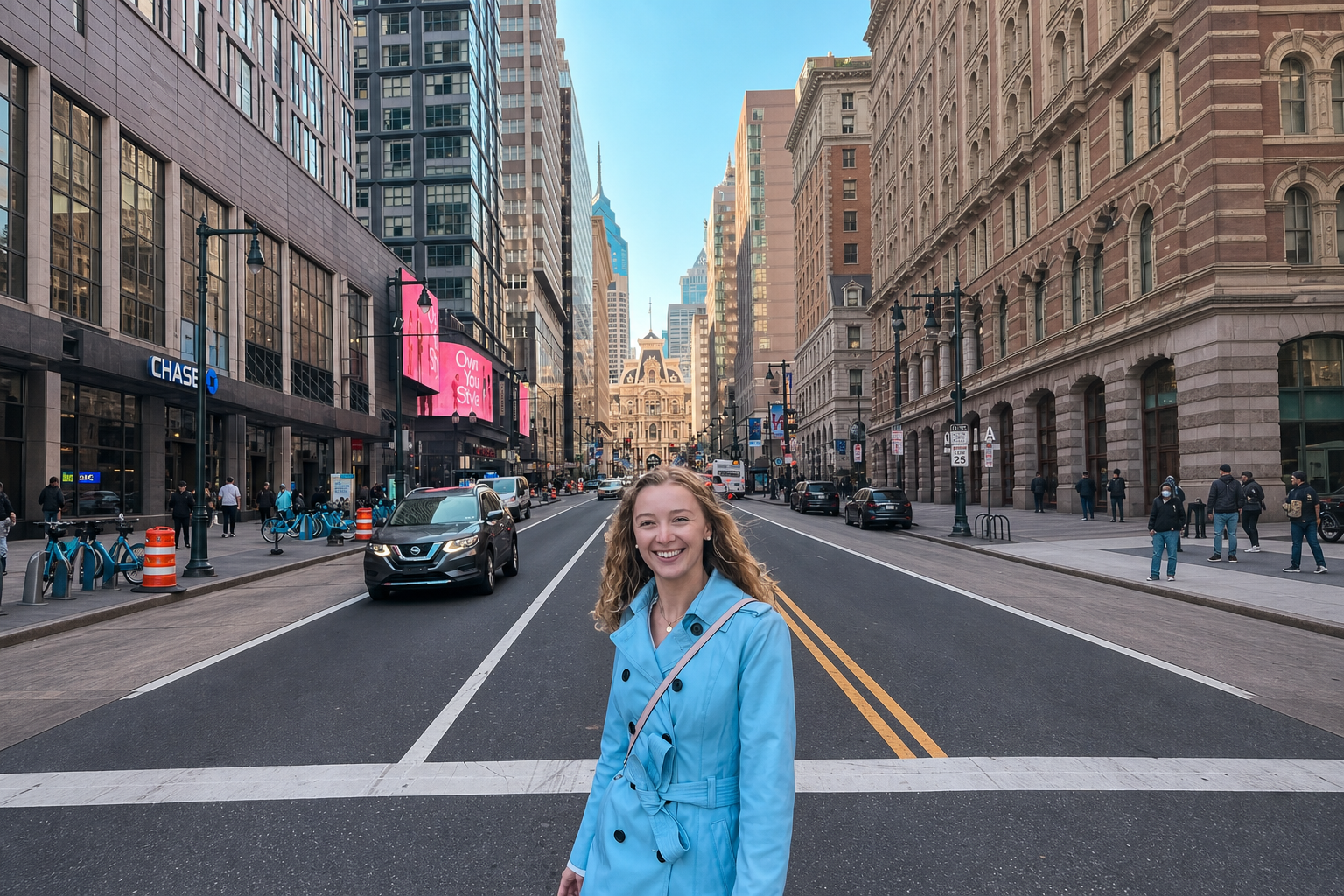
I had the pleasure of going to the Exploring Biology Conference 2022 in Philadelphia, Pennsylvania!
Exploring Biology is a huge conference made up of multiple large professional societies coming together. The society I came with was the American Association of Biochemistry and Molecular Biology (ASBMB).
This conference is a huge 5 day non-stop networking and learning experience. It’s both exciting and, honestly, pretty exhausting. There’s so much happening at once that it’s impossible to attend everything. I quickly realized that even with planning, you’ll still have to miss sessions simply because multiple talks are scheduled at the same time.
That was one of the first things I had to adjust to, accepting that you won’t be able to do everything. Instead, it becomes more about choosing what matters most to you and being okay with that.
Here are some of the things I learned attending my first in-person conference!
Dress Professionally
At the end of the day, bringing thousands of researchers together means you’ll see a wide range of outfits, everything from full suits to flip flops and cargo shorts (I am not kidding!).
What I found worked best for me was leaning slightly more toward the professional side. You never really know who you’re going to run into, whether it’s someone in your field, a potential collaborator, or even someone connected to future opportunities.
At the same time, comfort matters more than you might expect. Conferences involve a lot of walking, standing, and long days, so finding a balance between professional and practical makes a big difference. Dress shoes, comfortable flats, or even dress sneakers can go a long way in making the day more manageable.
Bring Water and a Notebook
A notebook ended up being one of the most useful things I brought. It’s helpful for writing down names of people you meet, ideas from talks, or even small details you don’t want to forget later.
There’s a lot of information coming at you throughout the day, and it’s easy to assume you’ll remember things, but you probably won’t. Having a place to quickly jot things down makes it easier to go back later and actually process what you learned.
And a water bottle is just as important. The days are long, often 10+ hours, and it’s easy to forget basic things like staying hydrated. I realized this the hard way when I forgot mine one day and ended up feeling so tired that I had to leave early.
Print Posters
From my experience, printed posters look much cleaner than cloth posters.
Cloth posters seem convenient at first because they’re easier to travel with, you can just fold them and pack them in your luggage. But in reality, they tend to wrinkle easily, and even after trying to fix them, they don’t always look as polished.
Another issue is that they can sag over time, which can distort the layout and make it harder for people to read. After seeing both types at the conference, printed posters consistently looked more structured and easier to engage with.
Overall, while cloth posters might seem like the easier option, printed posters tend to make a stronger impression.
It’s Just a Conversation
If you’re presenting a poster, it helps to prepare what you want to say. But some of the best interactions I had came from treating it less like a presentation and more like a conversation.
Instead of trying to go through everything in a fixed way, I focused on engaging with the person in front of me, asking questions, adjusting based on their interest, and letting the discussion flow more naturally.
That shift made a big difference. It felt less formal and more like a genuine exchange, which made the experience more enjoyable and, honestly, more memorable.
Network
Ask for LinkedIn connections, poster numbers, and what people do when you talk to them.
This is one of the best opportunities to meet people from different backgrounds and learn about paths you might not have considered before. Conversations don’t have to be long or perfect, even short interactions can lead to useful connections later.
What stood out to me was how open people were to talking. Most people are there for the same reason, to learn and connect, which makes it easier than it might initially feel.
Business Cards & QR Codes
Printing business cards and including a LinkedIn QR code at my poster made networking feel much easier.
Instead of trying to remember names or exchange information verbally, it gave people a quick way to connect. It also made interactions feel more seamless, especially when things were busy.
It’s a small detail, but it adds a level of preparation that can make a difference in how easily you stay in touch with people after the conference.
Be Okay Taking Breaks
You won’t be able to make every talk you want to, and you also won’t have the energy to go non-stop all day, and that’s okay.
Taking breaks actually helps you get more out of the experience. It gives you time to process what you’ve learned, recharge, and come back more focused.
Trying to do everything can end up making the whole experience feel overwhelming, so pacing yourself becomes part of making the conference enjoyable.
Plan to Sight-See
Don’t forget to explore a little while you’re there.
Conferences are often held in cities with a lot to offer, and taking some time to step outside the conference environment can make the overall experience more balanced. Even a short walk, a good meal, or visiting a local spot can give you a mental reset.
It also makes the trip feel like more than just a series of sessions, it becomes something you actually remember beyond the conference itself.