The Research Gap

Women's Health Research

The Funding Gap

Science Left Women Out. Here's How.

Medical research didn't exclude women by accident. It did it by design, and the consequences are still playing out in everymisdiagnosis, underfunded condition, and treatment that was never tested on a female body.

Of every NIH dollar spent on conditions affecting only women

Of autoimmune disease patients are women, yet research remains underfunded

Women were largely excluded from US clinical trials until the 1993 NIH Revitalization Act

Average time to diagnose endometriosis, affecting 1 in 10 women

For most of modern medical history, the default research subject was male. Drug trials, disease models, diagnosticcriteria, all built around male physiology, with the assumption that results would simply transfer. They often don't.

Women metabolise drugs differently. They have different cardiac symptoms. Different pain presentations. Differentresponses to the same treatments. When the research baseline ignores that, the medicine built on top of it ignores ittoo.

The NIH Revitalization Act of 1993 finally mandated that women be included in clinical trials. That was 30 years ago.And we're still catching up.

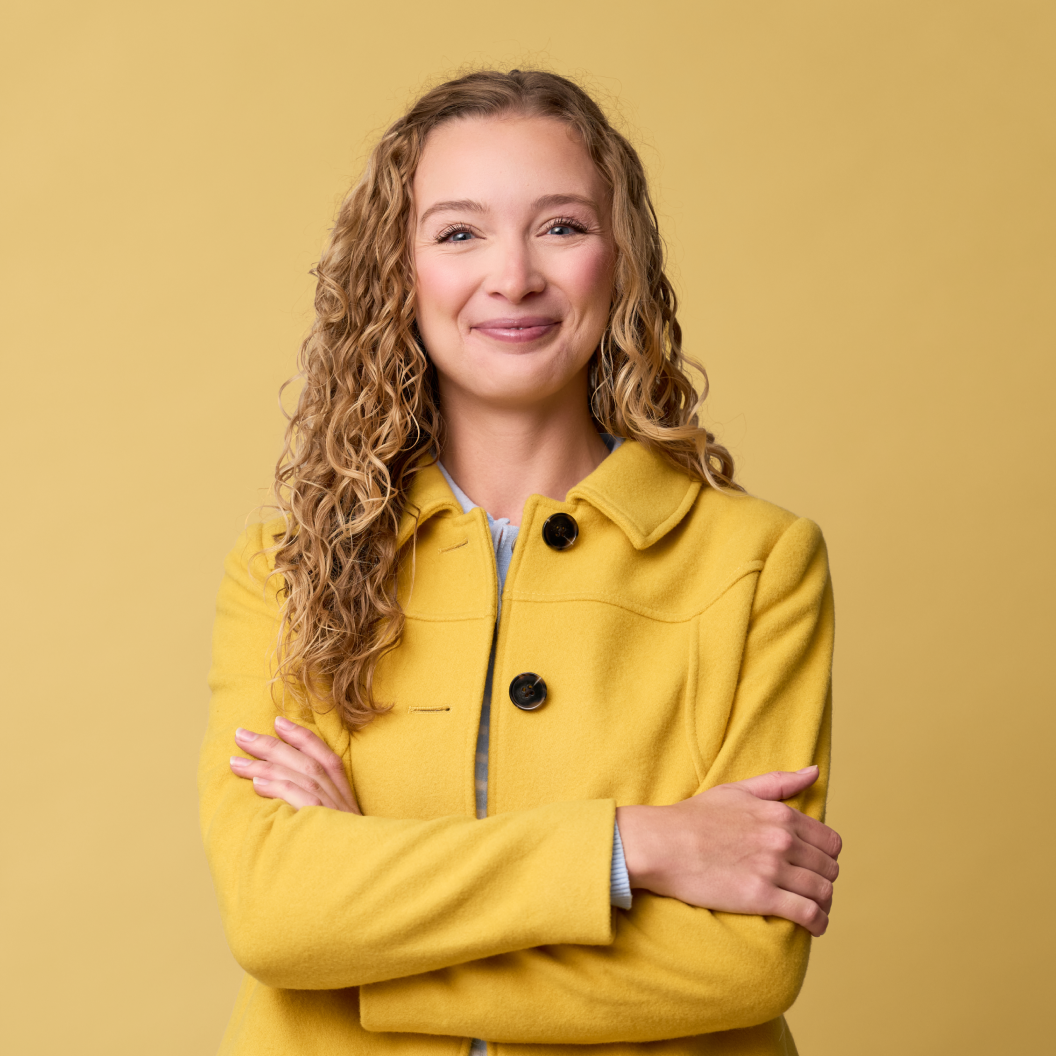
As a biochemist, Chloe knows this gap isn't just a research problem, it's a communication failure. Science exists. Thedata exists. What's missing is enough people understanding the scope of it, patients, policymakers, donors, andresearchers who can actually do something about it. That's what this page is for.

We can't solve health problems if we don't study.And we can't study what we don't fund.

Underfunded Conditions

What Keeps Getting Ignored

These aren't obscure conditions. They're among the most common health issues women face. And they all share one thing: researchthat has never kept pace with the millions of people living with them.

Menstruation & Menstrual Disorders

Up to 90% of menstruating people experience painful periods yet the mechanisms behind it are still poorly understood and routinely dismissed in clinical settings.

Endometriosis

190 million people worldwide. No non surgical diagnostic test. A 7-10 year average wait for diagnosis. The funding doesn't come close to matching the scale of the problem.

Contraception & Birth Control

The last truly new class of female contraception was developed in the 1960s. Decades of reported side effects later, next generation options are still waiting for serious investment.

PCOS

One of the most common endocrine disorders in women, affecting fertility, metabolism, cardiovascular health, and mental health. Still frequently misdiagnosed. Still significantly underfunded.

Menopause & Perimenopause

Every woman who lives long enough will experience it. Yet research into its cognitive, cardiovascular, and hormonal impacts remains sparse, set back further by a single flawed study that shaped policy for decades.

Autoimmune Diseases

Women represent 80% of autoimmune disease patients. Lupus, rheumatoid arthritis, multiple sclerosis, diagnosed late, funded less, and still poorly understood at the biological level.

Representation Matters

More Women in Science Means

The scientists in the room decide what gets studied, how it gets measured, and who gets included. More women inscience means better outcomes for the women science is supposed to serve.

Different Questions Get Asked

Women led research in women's health consistently measures different endpoints, includes different populations, and asks questions male led teams historically haven't thought to ask

Better Diagnoses Follow

Female physicians are more likely to correctly identify and treat conditions like cardiac events in women, because representation changes clinical instinct, not just research design

Stronger Science Overall

Gender diverse research teams produce higher impact science across all fields, not just in women's health

The Pipeline Starts Early

Girls who don't see themselves in science don't pursue it. Researchers who don't see women's health as prestigious don't study it. Funders who don't understand the gap don't close it

AI Is Inheriting the Bias

Medical AI trained on historically male skewed datasets risks automating the gender health gap into future diagnostics, making representation in data as urgent as representation in labs

Visibility Changes Everything

Who tries changes who succeeds. Who succeeds changes what gets studied. Changing the face of science isn't symbolic, it's how the research gap actually closes
The Conversation

Amplifying Equity: Conversations on Bias, Health, and Lab Culture

Candid dialogues analyzing the hidden barrierswithin scientific institutions and their real worldimpact on research equity.

Quick Cuts

Documenting Disparities, Celebrating Excellence

A multi-faceted approach to digital science communication, deconstructing historical research neglect, navigating the realities of modern lab culture, and honoring female scientific excellence past and present.

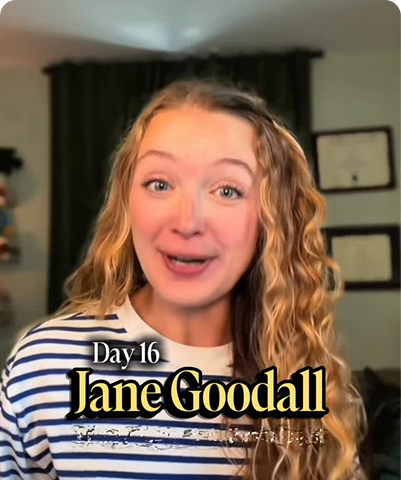
Jane Goodall

Jane Goodall

Day 16 Women in Science – Jane Goodall
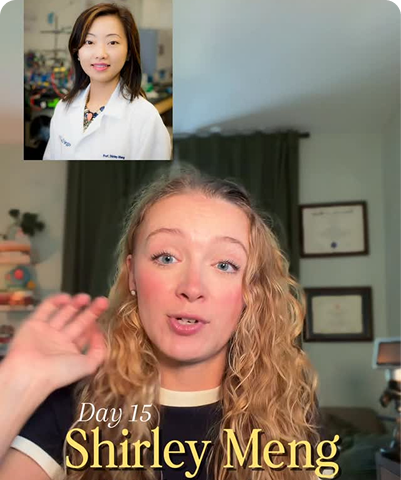
Shirley Meng

Shirley Meng

Day 15 Women in Science – Shirley Meng The brain drain 🧠is real and...
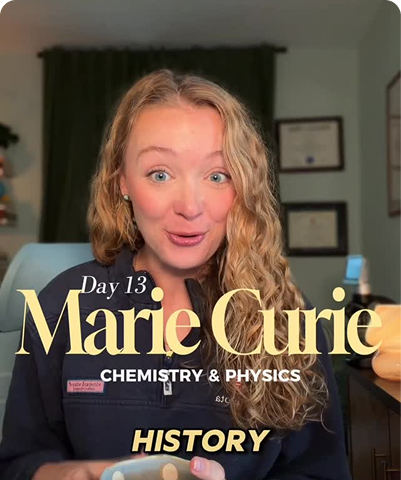
Maria Skłodowska Curie

Maria Skłodowska Curie

If you want to be like Marie Curie, I’ve partnered with @polishembassyus to share...
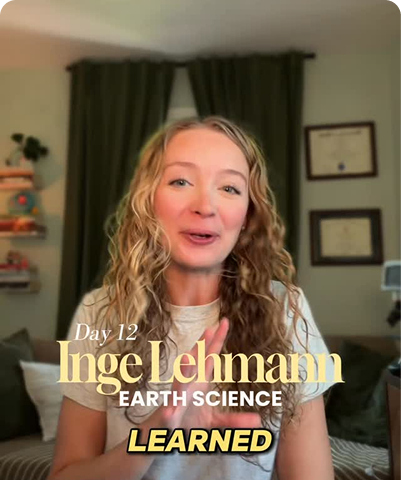
Inge Lehmann

Inge Lehmann

Women in Science Day 12 – Inge Lehmann 🌍 a belated happy earth day!

Gladys West

Gladys West

Day 11 Women in Science – Gladys West
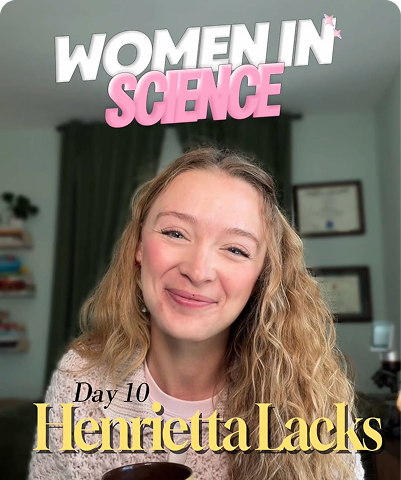
Henrietta Lacks

Henrietta Lacks

Women in science day 10 – Henrietta Lacks
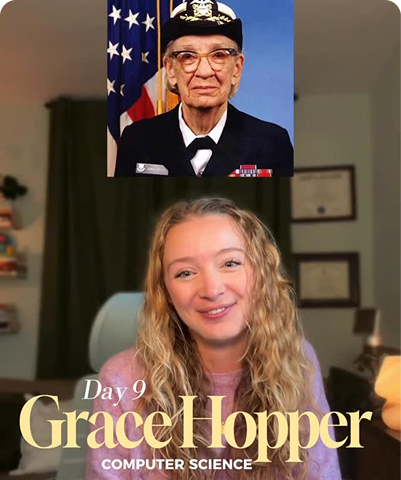
Grace Hopper

Grace Hopper

Day 9 women in science – Grace Hopper 👩‍💻🛳️

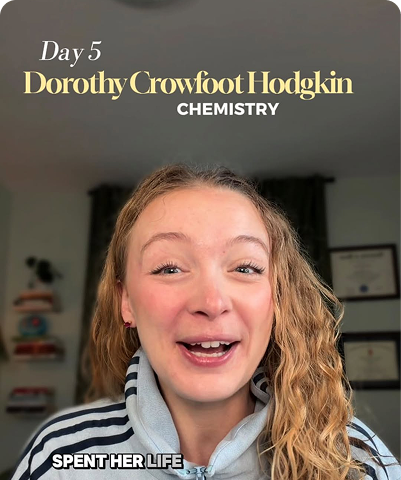
Dorothy Crowfoot Hodgkin

Dorothy Crowfoot Hodgkin

Day 5 women (in science) history month – Dorothy Crowfoot Hodgkin
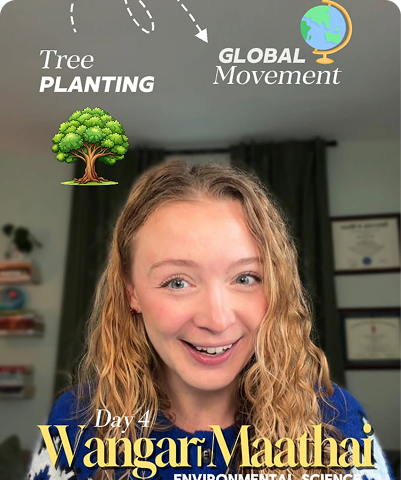
Wangarĩ Maathai

Wangarĩ Maathai

Day 4 women (in science) history month – Wangarĩ Maathai
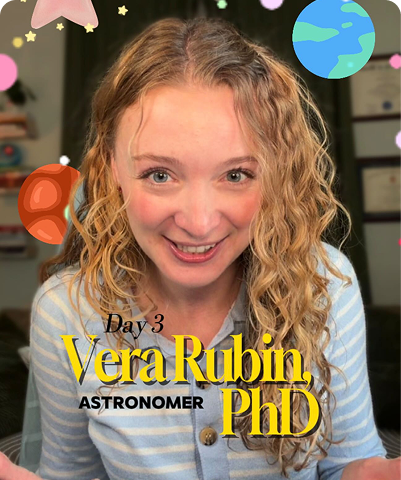
Dr. Vera Rubin

Dr. Vera Rubin

Day 3 Women (in Science) History Month – Dr. Vera Rubin Ever wondered where...
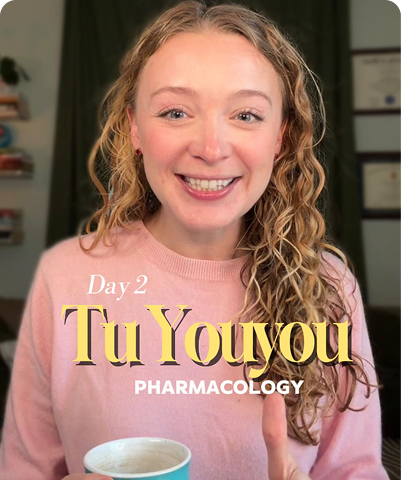
Tu Youyou

Tu Youyou

Day 2 Women (in science) History Month – Tu Youyou 🙌 integrating Chinese medicine...
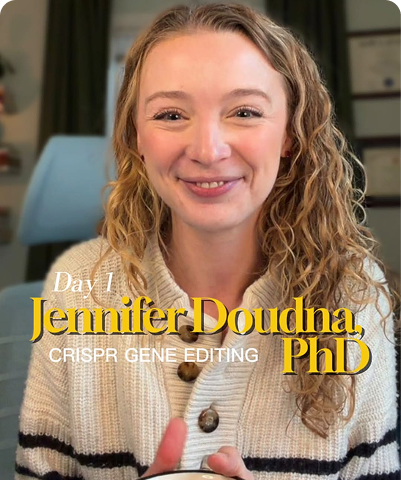
Jennifer Doudna

Jennifer Doudna

Kicking off Women (in science) History Month with Jennifer Doudna — the biochemist who...
×

    Share Your Story